
Writer, teacher, literary critic & cultural historian
Highlights
The Rising Down wins the British Academy Rose Mary Crawshay Prize
Bright Waters: Thomas Girtin and Under the Same Sky: JMW Turner: essays for the 250 anniversary of great landscape artists
Private Passions with Alexandra Harris
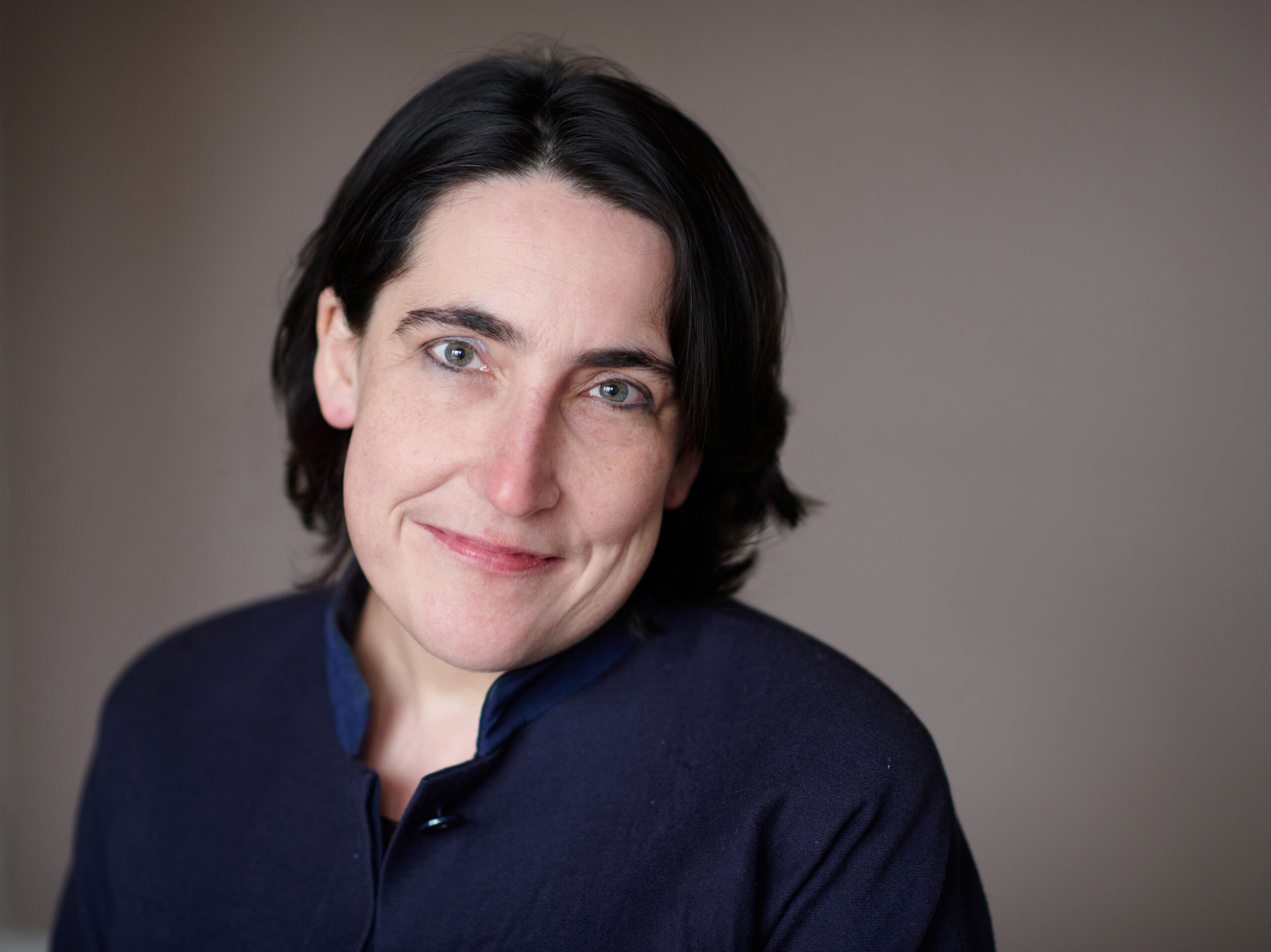
Photo: Geraint Lewis. Click image for hi res.
My Books
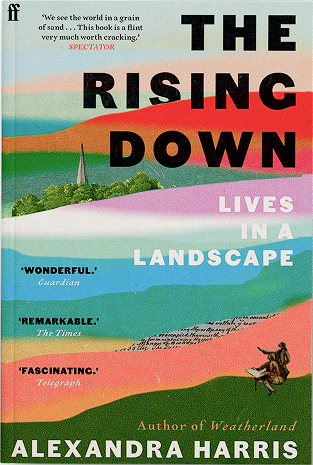
The Rising Down
'A masterpiece of observation, detection, and meditation' - Fiona Stafford
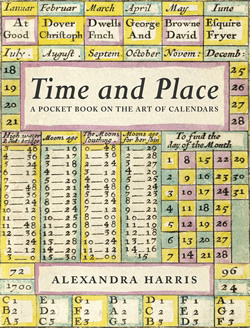
Time & Place
A Pocket Book on the Art of Calendars
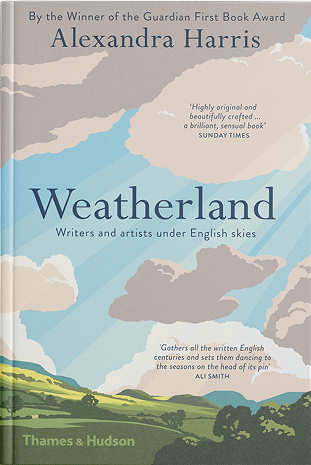
Weatherland
'A brilliant, beautiful and sensual book' - Sunday Times
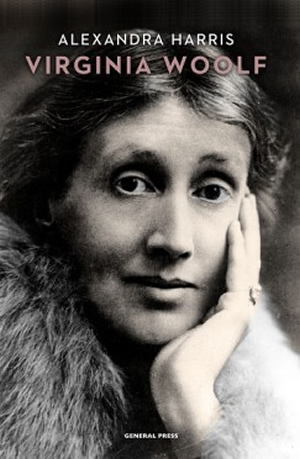
Virginia Woolf
A short introduction to the life and work of Virginia Woolf. Available in 10 languages.
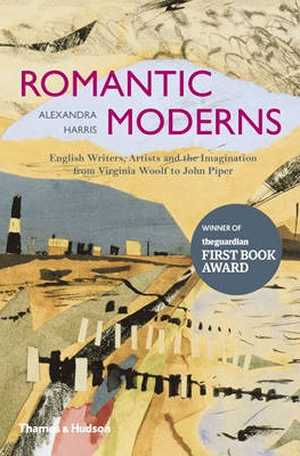
Romantic Moderns
English Writers, Artists & the Imagination From Virginia Woolf to John Piper
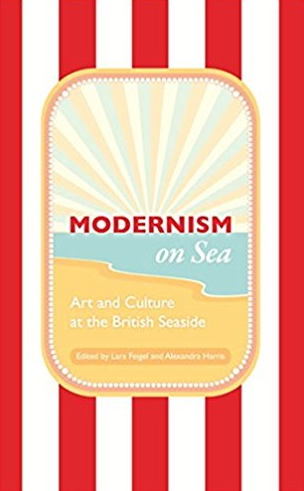
Modernism on Sea
Art and Culture at the British Seaside
Essays and Features
Introduction to ‘Fenwomen’ in Virago Classics
Under the Same Sky: JMW Turner
Thomas Girtin: Bright Waters
More from Alexandra
On Woolf
Secret Life of Books podcast on the The Waves
'Woolf in Winter', a published lecture on seasons, rituals, ice and love.
'A Walk of One's Own', four radio programmes following Woolf on foot.
On artists
Ashmolean NOW exhibition from November 2026: Samuel Palmer and Garry Fabian Miller. My catalogue essay is called 'Magic Circles'.
Art, War, and Resurrection. An essay for Revisiting Modern British Art, ed. by Jo Baring. This work on 'resurrection' grew from thinking about illness, revival, and not getting better.
On history
A rural history classic from Virago: I introduce a new edition of Mary Chamberlain's Fenwomen, now reissued in a 50th anniversary edition.